
Burning While Urinating: Causes and Treatment
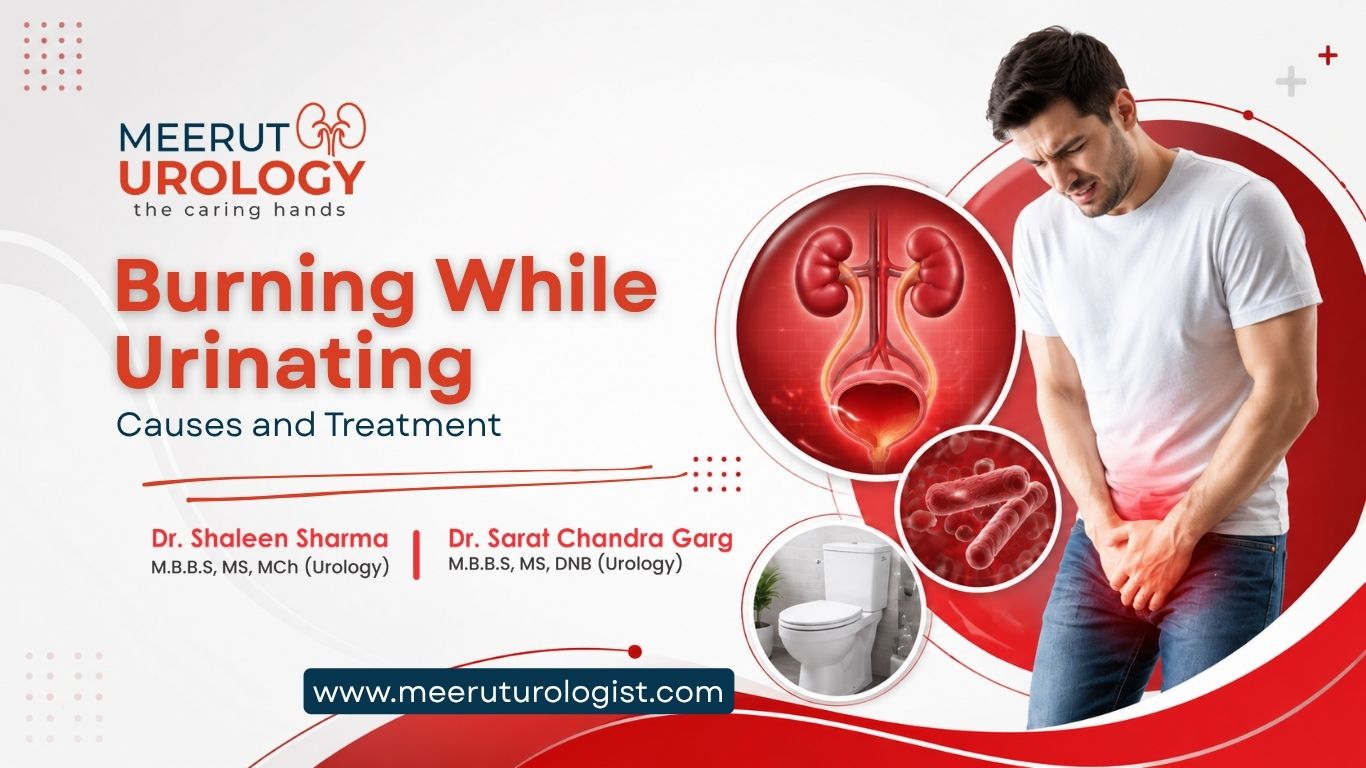
Burning while urinating, medically known as dysuria, is a common symptom that can affect both men and women. It often causes pain, stinging, or discomfort during urination and may indicate an underlying urinary tract or health problem. While some cases are mild and temporary, persistent burning should never be ignored, as timely diagnosis can prevent complications.
If you are experiencing symptoms such as pain during urination, frequent urination, or blood in urine, consulting experienced urologists like Dr. Shaleen Sharma and Dr. Sarat Chandra Garg can help identify the exact cause and provide effective treatment.
What Causes Burning While Urinating?
Several medical conditions can lead to burning sensations during urination:
1. Urinary Tract Infection (UTI)
UTIs are among the most common causes of burning urination. Bacteria infect the urinary tract, leading to:
- Burning or pain while passing urine
- Frequent urge to urinate
- Cloudy or foul-smelling urine
- Lower abdominal discomfort
2. Kidney Stones
Small stones in the urinary tract can irritate the lining and cause pain or burning. Additional symptoms may include:
- Severe flank pain
- Blood in urine
- Nausea or vomiting
3. Enlarged Prostate (BPH)
In men, an enlarged prostate can obstruct urine flow and cause:
- Weak urine stream
- Frequent urination
- Burning sensation during urination
4. Sexually Transmitted Infections (STIs)
Certain infections, such as chlamydia or gonorrhea, can lead to painful urination and require prompt medical treatment.
5. Dehydration
Insufficient water intake can make urine concentrated, causing irritation and discomfort while urinating.
6. Bladder or Urethral Inflammation
Inflammation due to infections, medications, or chemical irritants may result in dysuria.
When Should You Visit a Urologist?
Consult a urologist if you experience:
- Burning urination lasting more than 2–3 days
- Blood in urine
- Fever or chills
- Severe abdominal or back pain
- Recurrent urinary infections
Early diagnosis can help prevent complications and ensure proper treatment.
Diagnosis of Burning Urination
A urologist may recommend:
- Urine examination
- Urine culture test
- Ultrasound of kidneys and bladder
- Blood tests
- CT scan (if stones are suspected)
For specialized diagnosis and treatment, you can consult Dr. Shaleen Sharma and Dr. Sarat Chandra Garg, experienced experts in managing urinary disorders.
Treatment Options
For UTIs
- Antibiotics
- Increased fluid intake
- Pain-relieving medications
For Kidney Stones
- Medicines to help pass stones
- Increased hydration
- Minimally invasive procedures for larger stones
For Enlarged Prostate
- Medications
- Lifestyle changes
- Surgical treatment in advanced cases
For Dehydration
- Drink 2–3 liters of water daily unless advised otherwise.
Tips to Prevent Burning While Urinating
- Drink plenty of water.
- Maintain good personal hygiene.
- Avoid holding urine for long periods.
- Urinate after sexual activity.
- Limit excessive caffeine and alcohol.
- Seek treatment for infections early.
Conclusion
Burning while urinating is a symptom that should not be ignored. It may result from infections, kidney stones, prostate problems, or other urinary conditions. Early consultation with experienced urologists such as Dr. Shaleen Sharma and Dr. Sarat Chandra Garg can ensure accurate diagnosis and effective treatment, helping you maintain good urinary health.
Frequently Asked Questions (FAQs)
No. It can also occur due to kidney stones, dehydration, enlarged prostate, or irritation.
Most adults should drink 2–3 liters of water daily, depending on health conditions and climate
Seek medical help if symptoms persist, worsen, or are accompanied by fever, blood in urine, or severe pain.
Yes, stones can irritate the urinary tract and cause pain and burning.
A urologist is the specialist for urinary tract and male reproductive health issues.